 Kalyxo
Anthropic’s OSS Scanner sends opt-in vulnerability reports to maintainers
Published
Anthropic’s free scanner offers eligible open-source projects periodic model-generated findings. Enrollment, human validation and disclosure limits shape how maintainers should use its reports.
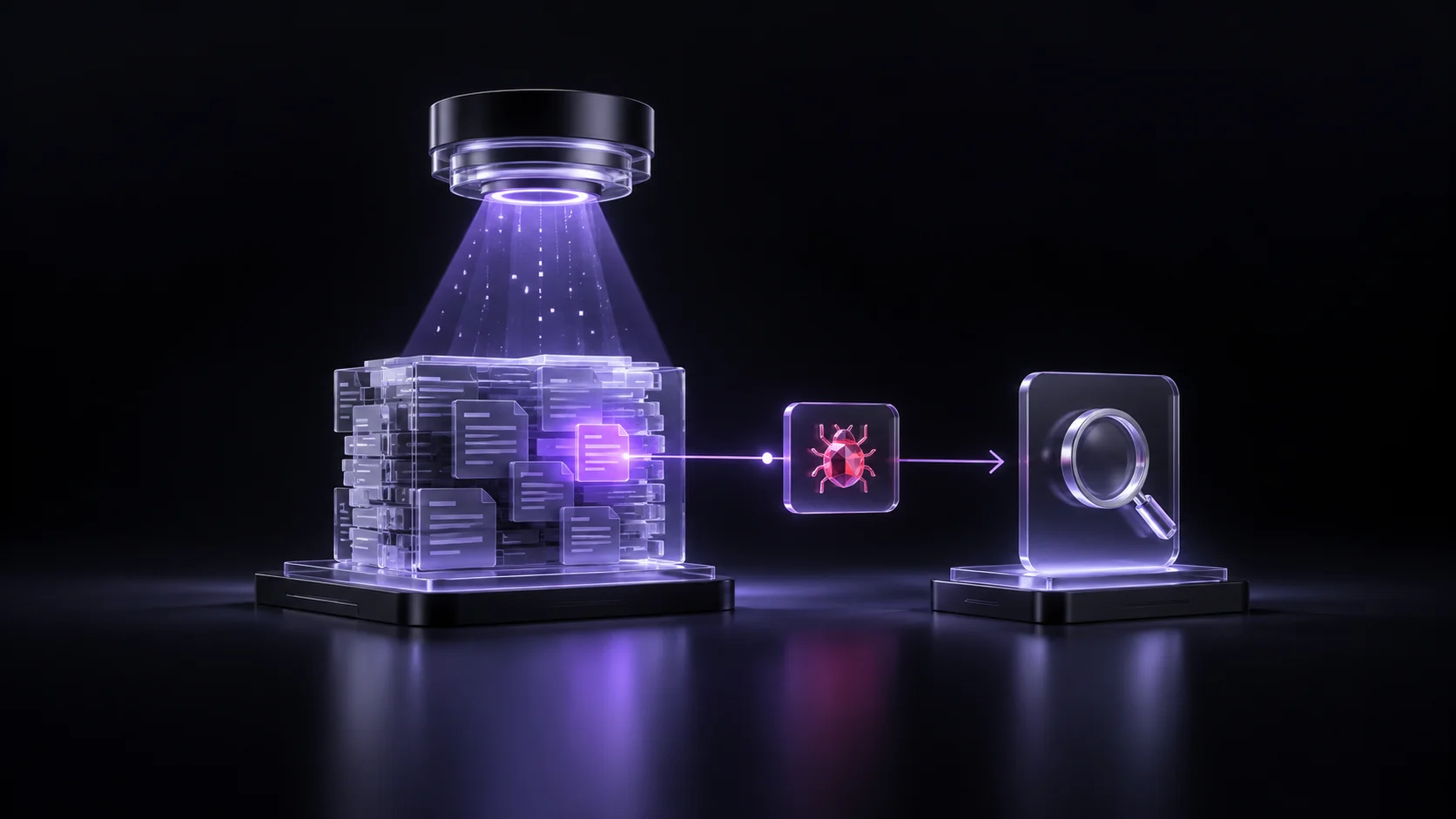
Anthropic announced OSS Scanner on October 8 as a free, opt-in service that periodically scans eligible open-source projects with its strongest models. Projects must have a critical effect on infrastructure or user security; Anthropic says it considers enrollment requests case by case. A core maintainer submits a pull request with project details, and Anthropic manually verifies the maintainer’s authority before enrollment. This is not a public scanner anyone can run against any repository.
The service’s fast path sends model-generated reports to maintainers without human review or triage. Anthropic says reports may be inaccurate, incomplete, misjudge severity or propose patches that break functionality. Each report may include a reproducer, explanation and candidate patch. Scan frequency can vary with the number of enrolled projects and other factors.
That design moves more initial triage work to project maintainers. A report should be reproduced and checked against the project’s code and tests; a proposed patch needs its own review before it is merged. Anthropic recommends testing inside the project’s build container. The enrollment setup includes a Dockerfile and can optionally include a threat model describing scope, adversarial inputs and severity criteria. Anthropic says the project is built with network access during setup, then the audit runs offline.
Anthropic reports that expert testers assessed a sample of 97 critical- and high-severity findings across 48 projects. It says 85 met the bar for its existing coordinated vulnerability disclosure process. Of the other 12, Anthropic says 11 were real but duplicated known issues or other findings from the scan, and one was invalid. These are Anthropic’s results for a selected sample, not an independently measured estimate of production precision or performance across all enrolled projects.
Unvalidated reports do not start a 90-day coordinated-disclosure clock under the current FAQ. If Anthropic later validates a report through its existing process, its CVD policy may begin 90 days after the maintainer is notified of that validation. Maintainers should read the agreement and prepare to handle sensitive, unpatched findings before enrolling. The service is best understood as an additional source of leads for projects equipped to verify, prioritize and fix them.